Complete Himachal Pradesh Pincodes Guide:
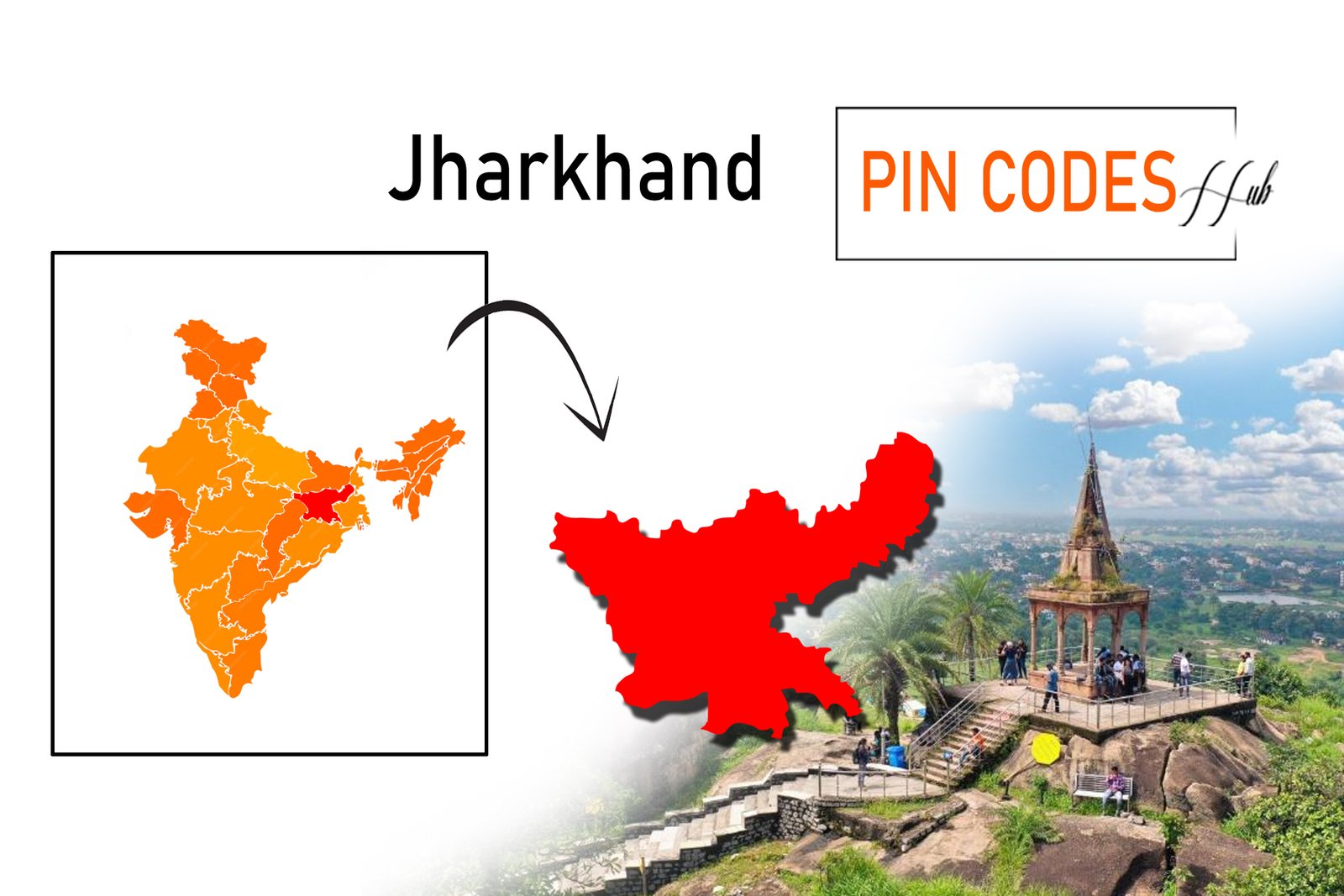
Pincodes Jharkhand, a state located in the eastern part of India, has a well-structured postal system that plays a crucial role in connecting its cities, towns, and remote villages. The Pincodes system in Jharkhand is an essential part of this network, helping in the smooth and accurate delivery of letters, parcels, and official documents. Every region in the state is assigned a unique six-digit PIN code, which makes sorting and distribution more efficient.
The PIN code, also known as the Pincodes , was introduced in India to simplify the process of mail delivery and to avoid confusion caused by similar place names. In Jharkhand, all Pincodes begin with the digit “8,” which represents the eastern postal zone. This zone includes several states, but the second digit helps narrow it down further to Jharkhand and nearby regions. The remaining digits identify specific districts, sorting offices, and individual post offices.

Jharkhand consists of multiple districts, and each district has its own range of Pincodes For example, districts like Ranchi, Dhanbad, Jamshedpur (East Singhbhum), Bokaro, and Hazaribagh have a large number of post offices, each assigned a different Pincodes These codes ensure that even the smallest village can be identified accurately within the postal system. In urban areas such as Ranchi and Jamshedpur,Pincodes are more densely distributed due to higher population and commercial activity, while rural areas may have fewer but equally important postal codes.
The structure of a Pincodes in Jharkhand can be understood step by step. The first digit “8” indicates the eastern region. The second digit further refines the region, while the third digit represents the sorting district. Together, the first three digits form the sorting zone. The last three digits are used to identify the specific post office within that district. This systematic arrangement helps postal workers quickly sort and route mail without confusion.
Jharkhand’s geography includes forests, hills, and tribal regions, which can sometimes make communication and transportation challenging. Despite these conditions, the Pincodes system ensures that postal services reach even remote locations. Post offices act as important centers of communication, especially in rural areas where digital connectivity may still be developing. People rely on these services not only for sending letters but also for banking, government schemes, and parcel deliveries
Jharkhand pincodes:
| District | Major Areas / Post Offices | PIN Codes |
|---|---|---|
| Bilaspur | Bilaspur, Ghumarwin, Berthin | 174001, 174021, 174029 |
| Chamba | Chamba, Dalhousie, Banikhet | 176310, 176301, 176303 |
| Hamirpur | Hamirpur, Nadaun, Barsar | 177001, 177020, 177501 |
| Kangra | Dharamshala, Palampur, Kangra | 176001, 176061, 176215 |
| Kinnaur | Reckong Peo, Kalpa, Pooh | 172107, 172001, 172111 |
| Kullu | Kullu, Manali, Banjar | 175101, 175131, 175138 |
| Lahaul & Spiti | Keylong, Kaza | 175132, 172114 |
| Mandi | Mandi, Sundernagar, Jogindernagar | 175001, 175018, 175033 |
| Shimla | Shimla GPO, Sanjauli | 171001, 171009 |
| Sirmaur | Nahan, Paonta Sahib | 173001, 173025 |
| Solan | Solan, Baddi, Kasauli | 173212, 173205, 173229 |
| Una | Una, Amb, Mehatpur | 174303, 177203, 174315 |
District-wise distribution of Pincodes in Jharkhand shows how organized the system is. Ranchi district, being the capital region, has a wide range of Pincodes covering urban and suburban areas. Dhanbad, known for its coal mines, also has multiple Pincodes to serve its industrial zones. East Singhbhum, which includes Jamshedpur, is another major district with a strong postal network. Other districts like Giridih, Deoghar, Palamu, and Dumka have their own sets of PIN codes that connect smaller towns and villages to the main postal system.
The importance of Pincodes goes beyond just mail delivery. They are used in online shopping, banking, identity verification, and government documentation. Whenever someone fills out an address, the PIN code ensures that the location is correctly identified. In Jharkhand, where many places may share similar names, the PIN code becomes a key factor in avoiding errors and delays.
Another important aspect is the role of India Post in maintaining this system. Post offices in Jharkhand are not just delivery centers; they also provide financial services like savings accounts, money transfers, and insurance. The Pincodes helps in organizing these services efficiently. For example, when a parcel is sent to a village in Jharkhand, the PIN code directs it to the correct sorting office and then to the local post office for final delivery.
Over time, the use of PIN codes in Jharkhand has grown with the expansion of e-commerce and digital services. Online platforms require accurate Pincodes to check delivery availability and estimate delivery times. This has made PIN codes even more important in daily life. People are now more aware of their area’s Pincodes and use it regularly for various purposes.
In conclusion, the Pincodes system in Jharkhand is a vital part of its communication and logistics network. It ensures that every corner of the state, from busy cities to remote villages, is connected through a reliable postal system. The six-digit code may look simple, but it carries detailed information that helps in accurate and timely delivery. As Jharkhand continues to grow and develop, the importance of Pincodes will remain strong, supporting both traditional postal services and modern digital needs.
About Jharkhand State Pincodes:
Pincodes Jharkhand is a unique and resource-rich state located in the eastern part of India. It was formed on 15 November 2000 after being separated from Bihar. The creation of Jharkhand was the result of a long struggle by the local people who wanted recognition of their identity, culture, and better development for their region. The state is known for its forests, minerals, tribal heritage, and simple way of life.
The capital city of Jharkhand is Ranchi, which is often called the “City of Waterfalls” because of the many beautiful waterfalls found in and around it. Other important cities include Jamshedpur, Dhanbad, and Bokaro, which are known for industrial development.
Geography and Natural Beauty
Jharkhand is blessed with natural beauty. A large part of the state is covered with forests, hills, and rivers. The Chotanagpur Plateau is the main geographical feature of the state, giving it a slightly elevated landscape compared to the plains of nearby regions.
The state is home to several rivers such as the Subarnarekha, Damodar, and Koel. These rivers not only support agriculture but also add to the scenic beauty of the region. Jharkhand is also famous for its waterfalls like Hundru Falls, Dassam Falls, and Jonha Falls, which attract tourists from different parts of the country.
Forests in Jharkhand are rich in wildlife and natural resources. Trees like sal, teak, and bamboo are commonly found. These forests are also an important part of the lives of tribal communities who depend on them for food, fuel, and livelihood.
Rich Mineral Resources
Jharkhand is often called the “Mineral State of India” because it has a large share of the country’s mineral resources. It is rich in coal, iron ore, copper, mica, and bauxite. These minerals have played a major role in the industrial development of the state.
Dhanbad is known as the coal capital of India, while Jamshedpur is famous for its steel industry. The presence of minerals has led to the establishment of many industries, including steel plants, power plants, and heavy engineering units.
However, while these resources have brought economic growth, they have also created challenges like environmental issues and displacement of local communities.
Tribal Culture and Traditions
One of the most special aspects of Jharkhand is its tribal culture. A large part of the population belongs to tribal communities such as Santhal, Munda, Oraon, and Ho. These communities have their own languages, traditions, and customs, which are very different from mainstream urban culture.
Tribal festivals are colorful and full of life. Festivals like Sarhul, Karma, and Sohrai are celebrated with dance, music, and traditional rituals. People wear traditional clothes and perform folk dances, showing their connection with nature.
The lifestyle of tribal communities is simple and closely connected to forests and land. They respect nature and consider it sacred, which is reflected in their daily life and traditions.
Economy and Agriculture
Apart from mining and industry, agriculture is also an important part of Jharkhand’s economy. Many people in rural areas depend on farming for their livelihood. Crops like rice, maize, pulses, and vegetables are commonly grown.
However, agriculture in Jharkhand largely depends on rainfall, as irrigation facilities are limited in many areas. This makes farming challenging, especially during dry seasons.
In recent years, efforts have been made to improve irrigation, promote modern farming techniques, and support farmers through government schemes.
Industrial Development
Jharkhand has developed as an industrial hub because of its mineral wealth. Cities like Jamshedpur and Bokaro are well-known for their steel plants and industrial units. These industries provide employment to many people and contribute significantly to the state’s economy.
Jamshedpur, in particular, is one of the first planned industrial cities in India. It has good infrastructure, clean surroundings, and a well-organized layout compared to many other industrial towns.
At the same time, there is a need to balance industrial growth with environmental protection and the welfare of local communities.
Education and Development
Jharkhand has made progress in education and development over the years, but there is still room for improvement. Many rural and tribal areas face challenges such as lack of schools, teachers, and basic facilities.
The government and various organizations are working to improve literacy rates and provide better education opportunities, especially for children in remote areas.
Higher education institutions and technical colleges are also growing in cities, helping young people build careers in different fields.
Tourism in Jharkhand
Jharkhand has great potential for tourism because of its natural beauty and cultural richness. Apart from waterfalls, the state has wildlife sanctuaries, hills, and religious sites.
Places like Netarhat, often called the “Queen of Chotanagpur,” offer beautiful views of sunrise and sunset. Betla National Park is another attraction where visitors can experience wildlife and nature.
Religious places like Baidyanath Dham in Deoghar attract thousands of pilgrims every year. Tourism can become an important source of income for the state if developed properly.
Challenges and Future Growth
Despite its strengths, Jharkhand faces several challenges. Poverty, unemployment, and lack of infrastructure in rural areas are major concerns. Environmental issues due to mining and industrial activities also need attention.
There is a strong need for balanced development that benefits both urban and rural populations. Protecting forests, supporting tribal communities, and improving education and healthcare are important steps for the future.
Jharkhand is a state of contrasts—rich in resources but still developing, modern in industries but deeply rooted in tradition. Its natural beauty, tribal culture, and mineral wealth make it unique among Indian states.
The journey of Jharkhand since its formation has been one of growth and challenges. With proper planning, sustainable development, and respect for its cultural heritage, the state has the potential to become one of the leading regions in India.
In simple words, Jharkhand is not just a land of minerals; it is a land of people, culture, and nature living together in harmony.