Complete Meghalaya PIN codes Guide:
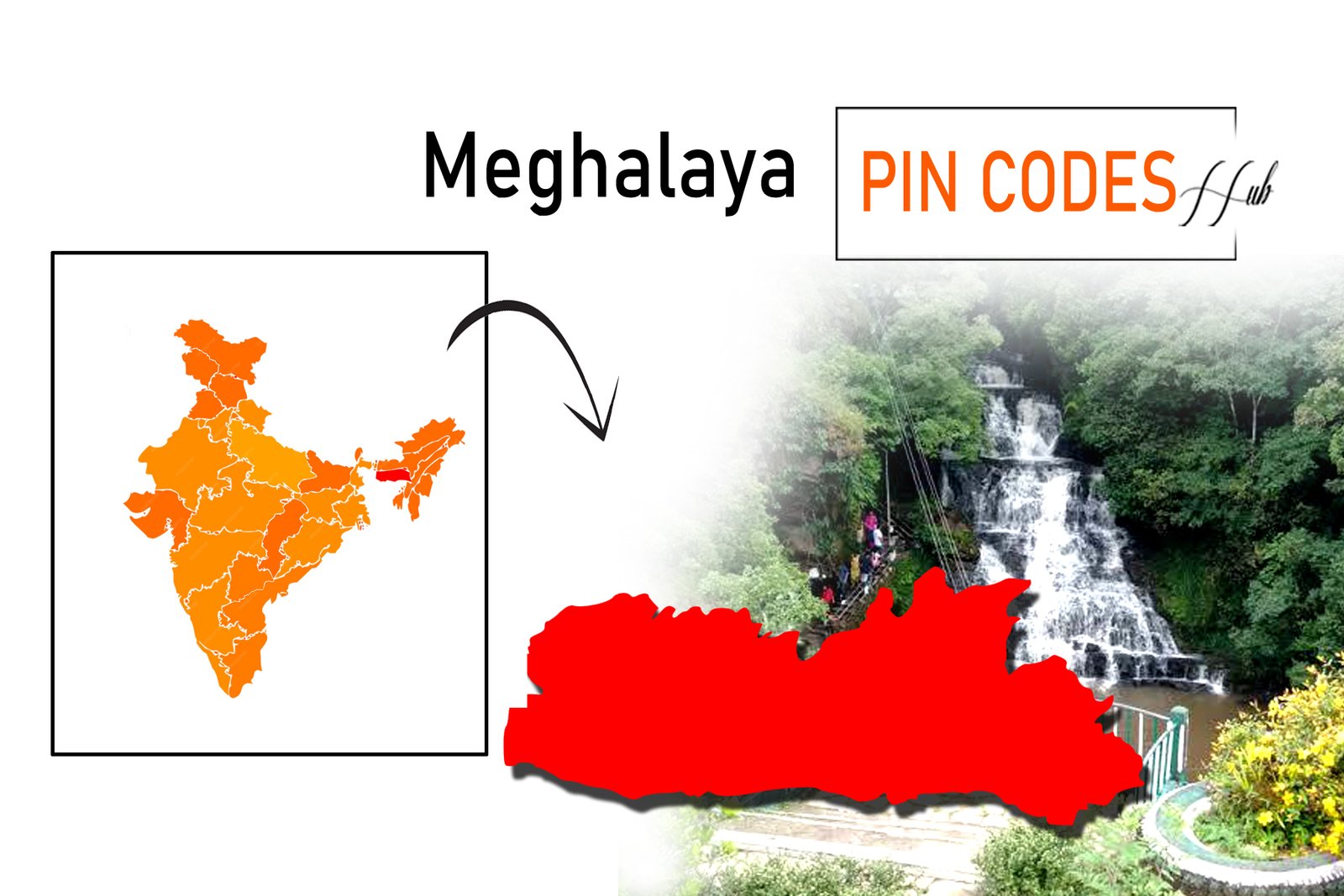
Meghalaya PIN codes , a state located in the northeastern part of India, is known for its lush greenery, rolling hills, and unique cultural diversity. Nestled among the states of Assam to the north and east, and sharing international borders with Bangladesh to the south and southwest, Meghalaya is a land of scenic beauty and rich heritage. The name “Meghalaya” itself means “abode of clouds,” a fitting description for a state that receives some of the highest rainfall in the world.
Despite its relatively small geographical area, Meghalaya has a well-structured postal system that connects its remote villages, towns, and urban centers to the rest of the country efficiently. The postal system here plays a vital role, not only in communication but also in the delivery of goods, official correspondence, and financial services through India Post’s various schemes.The postal code system, popularly known as PIN codes, was introduced in India to streamline mail delivery and avoid confusion caused by similar place names.
In Meghalaya, PIN codes have been assigned carefully based on district divisions and the population density of each area. The state has eleven districts, and each district contains several towns and villages, each assigned its specific Meghalaya PIN codes Shillong, the capital city of Meghalaya, serves as a central hub for postal services and has Meghalaya PIN codes to cater to different localities within the city. This makes mail delivery faster and more organized, especially in urban areas where population density is higher and commercial activities are concentrated.
In addition to Shillong, other important towns such as Tura, Nongstoin, Jowai, Williamnagar, and Baghmara have their own unique Meghalaya PIN codes These towns function as regional centers for the surrounding rural areas, ensuring that even remote villages are connected to the national postal network. For instance, Tura in the western part of Meghalaya is an important town for the Garo Hills region, and its postal network efficiently manages mail for the neighboring villages. Similarly, Jowai, located in the Jaintia Hills, serves as a critical postal hub for the eastern districts.
These towns are not just administrative centers; they are lifelines for commerce, education, and healthcare, and the Meghalaya PIN codes assigned to them ensure that essential services reach every corner of the state reliably.The structure of Meghalaya PIN codes in Meghalaya follows the standard Indian system, where the first digit represents the postal zone, the second the sub-region, and the third combined with the first two digits indicates the sorting district.
The last three digits identify individual post offices within the district. This systematic arrangement makes it easier for India Post to sort and deliver mail with precision, even in a state with challenging terrain like Meghalaya. The hills, rivers, and valleys that characterize the landscape often make transportation difficult, but the PIN code system helps in minimizing delays and ensuring accuracy. Postal workers and courier services rely heavily on these codes to navigate through winding roads and remote settlements, where street addresses alone may not be sufficient.
Meghalaya PIN codes Rural connectivity in Meghalaya is particularly important because a large proportion of the population lives in villages. These areas often lack detailed street addressing, so the post office acts as a central point for communication and services. Meghalaya PIN codes assigned to these villages help in the delivery of not just letters and parcels but also government documents, financial aid, and essential supplies. India Post has also integrated banking and insurance services within its postal network, making the Meghalaya PIN codes system an essential tool for economic inclusion. Residents of small villages can receive pensions, pay utility bills, and access savings schemes, all facilitated by accurate postal identification.
Meghalaya PIN codes:
| S.No | District | Some PIN Codes |
|---|---|---|
| 1 | East Khasi Hills | 793001 (Shillong GPO), 793002, 793009, 793012, 793017 |
| 2 | West Khasi Hills | 793119 (Nongstoin), 793120 (Mairang), 793126 |
| 3 | South West Khasi Hills | 793114 (Mawkyrwat), 793102 |
| 4 | Ri‑Bhoi | 793102 (Nongpoh), 793103, 793122 (Umsning) |
| 5 | East Jaintia Hills | 793200 (Khliehriat), 793201 (Sutnga) |
| 6 | West Jaintia Hills | 793150 (Jowai), 793151 (Nartiang) |
| 7 | East Garo Hills | 794111 (Williamnagar), 794110 (Rongjeng) |
| 8 | West Garo Hills | 794001 (Tura), 794003 (Dalu), 794110 |
| 9 | South Garo Hills | 794102 (Baghmara), 794105 (Rongara) |
| 10 | North Garo Hills | 794108 (Resubelpara) |
| 11 | South West Garo Hills | 794115 (Ampati) |
| 12 | Eastern West Khasi Hills | (shares codes with West Khasi Hills like 793120) |
Meghalaya PIN codes Tourism is another sector where Meghalaya PIN codes play a subtle but important role in Meghalaya.
The state attracts visitors for its waterfalls, caves, and living root bridges, and tourists often rely on postal services for sending postcards, booking deliveries, and receiving packages. Areas like Cherrapunji and Mawsynram, known for their heavy rainfall, have designated PIN codes that help manage the flow of communication and goods efficiently.
Even with heavy rains and frequent landslides, the postal system, aided by Meghalaya PIN codes, ensures continuity in services, which is crucial for both residents and visitors.Education and healthcare facilities also depend on accurate postal services.
Schools, colleges, and hospitals frequently receive official communications, examination materials, and medical supplies through the postal network.
The Meghalaya PIN codes ensure that these critical deliveries reach their destinations on time, which is particularly important in emergencies or during the monsoon season when road travel can be unreliable. The presence of clear and well-maintained PIN code assignments across Meghalaya enables efficient coordination between government agencies, private institutions, and the general public.
Meghalaya’s PIN code system also reflects the cultural and administrative diversity of the state. Each district has its distinctive linguistic and cultural identity, and the postal system respects these local characteristics while maintaining a standardized approach to service delivery.
This structure allows businesses, educational institutions, government offices, and residents to communicate seamlessly across the state and beyond.Over the years, the Meghalaya PIN codes has adapted to the evolving needs of its population. Online shopping, courier deliveries, and financial transactions all require precise addressing, and PIN codes serve as the backbone of this system.
Meghalaya PIN codes has upgraded facilities, introduced tracking mechanisms, and ensured that even the smallest post offices are integrated into a national network, demonstrating the critical importance of these codes.Meghalaya PIN codes are more than just numbers—they are essential tools that facilitate communication, commerce, and governance across the state. From the bustling streets of Shillong to the remote villages in the hills, each code represents a vital link in the postal network that connects residents to the rest of India.
By ensuring accurate, timely, and reliable delivery, the Meghalaya PIN codes system supports the economic, educational, and social well-being of the people. It bridges distances, overcomes geographical challenges, and strengthens the integration of Meghalaya with national and global networks. The state’s organized approach to postal services reflects its commitment to accessibility, efficiency, and inclusivity, making the PIN code system an indispensable aspect of daily life in Meghalaya.
FAQ’s Meghalaya PIN codes:
1. What is the general structure of Meghalaya PIN codes?
Meghalaya PIN codes are six-digit numbers used by India Post to simplify mail sorting and delivery. The first digit ‘7’ indicates the North Eastern region of India, while the second digit ‘9’ represents the specific state of Meghalaya. The last three digits usually point to a specific post office or locality.
2. How many districts in Meghalaya have unique PIN codes?
Meghalaya has 11 districts, and each district has multiple PIN codes depending on towns, villages, and postal areas. For example, East Khasi Hills has several PIN codes like 793001 for Shillong and 793002 for nearby localities.
3. Can two places in Meghalaya share the same PIN code?
Yes, some small villages or localities near each other may share the same PIN code. This makes mail delivery easier, especially in hilly regions where multiple villages are served by a single post office.
4. How can I find a specific PIN code for a town in Meghalaya?
You can check a town’s PIN code by looking it up on official India Post resources or asking at the local post office. Usually, district headquarters and larger towns have unique codes, while smaller villages share them.
5. Why are PIN codes important in Meghalaya?
PIN codes help ensure mail reaches even the remote areas of Meghalaya’s hilly terrain. Without PIN codes, delivery would be slower and more error-prone due to multiple towns sharing similar names in the state.
About State Meghalaya PIN codes:
Meghalaya PIN codes Meghalaya, often called the “abode of clouds,” is a state in the northeastern region of India, known for its breathtaking landscapes, unique cultural heritage, and significant ecological diversity. It was carved out of the state of Assam in 1972, becoming the 20th state of India. Despite being one of the smaller states in terms of area, Meghalaya boasts a remarkable geographical diversity, ranging from rolling hills and dense forests to fast-flowing rivers and waterfalls, which together create an atmosphere of tranquility and natural beauty.
The state is bordered by Assam to the north and east and shares an international boundary with Bangladesh to the south and southwest. Its topography is predominantly hilly, part of the Shillong Plateau, and is covered with lush greenery, making it one of the wettest places on earth, particularly in regions like Cherrapunji and Mawsynram. The climate is generally mild, with heavy rainfall during the monsoon season, contributing to the verdant environment and making it a hub for flora and fauna.
Meghalaya’s population is a blend of indigenous communities, each with its distinct traditions, languages, and social structures. The major tribes include the Khasi, Garo, and Jaintia, each with matrilineal social systems, which is a unique feature in comparison to much of India. In these societies, lineage and inheritance are traced through the mother, and women hold significant social, cultural, and economic influence.
This matrilineal system influences various aspects of life, from property rights and family responsibilities to leadership roles within the community. The people of Meghalaya are known for their hospitality, close-knit communities, and deep connection with nature.Traditional festivals, rituals, and folk dances are an integral part of life, reflecting the rich cultural heritage of the state.
Festivals such as Wangala, Shad Suk Mynsiem, and Behdeinkhlam showcase vibrant music, dance, and ceremonies that honor both the community’s spiritual beliefs and their agricultural way of life.The economy of Meghalaya is largely agrarian, with a significant portion of the population engaged in farming. Crops such as rice, maize, and potatoes are widely cultivated, and horticulture also plays a vital role, with oranges, pineapples, and vegetables grown across different parts of the state.
Apart from agriculture, Meghalaya has rich mineral resources, including limestone, coal, and uranium, which contribute to its industrial sector. Traditional crafts such as weaving, bamboo work, and pottery are also prevalent, providing livelihoods for many local artisans. In recent years, tourism has emerged as a significant contributor to the economy, thanks to the state’s scenic beauty, waterfalls, caves, and living root bridges that attract visitors from across the globe.
Eco-tourism initiatives have helped promote sustainable development, encouraging travelers to explore the natural splendor without disrupting the delicate ecosystem.The state’s educational infrastructure has been steadily improving, with Shillong, the capital city, serving as the academic hub. It hosts prestigious institutions that draw students from different parts of India and abroad, creating a diverse educational environment.
Meghalaya has also made progress in healthcare and public services, although challenges remain in reaching remote areas due to the hilly terrain and occasional heavy rainfall that can hinder transportation and connectivity. Roads and bridges have been developed to improve communication and accessibility within the state, yet there is still a need for more comprehensive infrastructure development to fully harness Meghalaya’s potential.
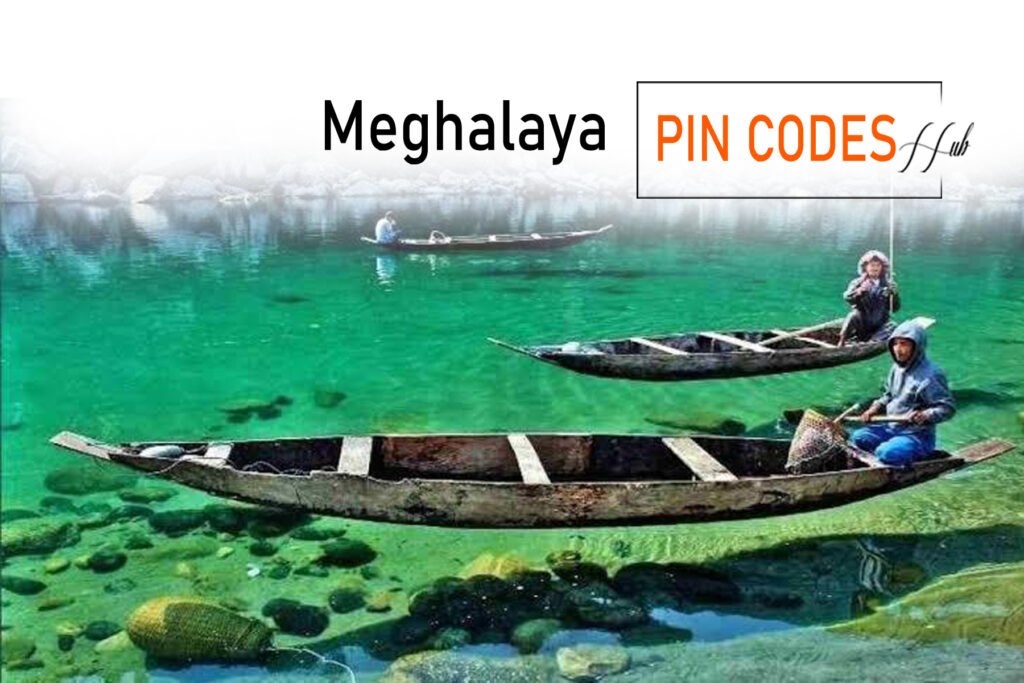
Meghalaya is also renowned for its natural wonders. Cherrapunji and Mawsynram are famous worldwide for receiving the highest annual rainfall, creating a landscape dotted with waterfalls, rivers, and dense forests. The state’s numerous caves, including Siju, Mawsmai, and Liat Prah, attract spelunkers and researchers interested in geology and biodiversity. Rivers such as the Umngot, known for its crystal-clear waters, enhance the scenic charm and provide opportunities for fishing and water-based activities.
Meghalaya’s forests are home to a variety of wildlife, including elephants, leopards, and several species of birds and reptiles, making it a biodiversity hotspot. The state has taken measures to protect these resources through the establishment of wildlife sanctuaries and national parks, emphasizing conservation alongside development. Culturally, Meghalaya is a vibrant mosaic. Its music, folklore, and oral traditions have been passed down through generations, reflecting the values, beliefs, and history of its people.
Traditional instruments, songs, and dances are an expression of the community’s identity, often performed during festivals and social gatherings. Cuisine in Meghalaya is simple yet flavorful, relying on fresh, locally grown ingredients. Staple foods include rice, meat, fish, and seasonal vegetables, often prepared with indigenous herbs and spices that impart a distinct taste. Local markets are hubs of activity, where handmade crafts, produce, and traditional artifacts are traded, providing visitors a glimpse into the daily life of the locals.
The state has made significant strides in modern governance while preserving its indigenous identity. Local governance in villages is often guided by traditional councils and customary laws, reflecting the community-centric approach to administration. These systems coexist with formal state administration, ensuring that local customs and practices are respected in decision-making processes. Meghalaya’s commitment to cultural preservation, environmental protection, and community welfare has created a model for balancing tradition and modernity.
Its focus on sustainable development, particularly in agriculture, forestry, and tourism, reflects an understanding of the importance of harmonizing human activities with nature.Meghalaya’s strategic location also plays an important role in regional connectivity. Its proximity to Bangladesh provides avenues for trade and cross-border cultural exchange, further enriching the state’s economy and social life.
Despite being relatively small in size, Meghalaya’s influence in the northeastern region is significant due to its natural resources, cultural heritage, and active participation in regional development initiatives. Connectivity with other states and improved infrastructure have facilitated trade, tourism, and educational opportunities, enhancing Meghalaya’s role in the larger national context.
Conclusion Meghalaya PIN codes:
Meghalaya, often called the “Abode of Clouds,” is a picturesque state located in the northeastern region of India. Known for its rolling hills, lush greenery, and numerous waterfalls, Meghalaya has a unique charm that attracts tourists, researchers, and nature enthusiasts alike. The state shares its borders with Assam to the north and east, and Bangladesh to the south, making it a region of cultural and geographical significance.
Shillong, the capital city, is not only the administrative hub but also the cultural heart of the state. Other notable towns include Tura, Jowai, and Nongpoh, each offering a glimpse into the diverse tribal life and traditions of the Khasi, Garo, and Jaintia communities.
Meghalaya is divided into 11 districts: East Khasi Hills, West Khasi Hills, South West Khasi Hills, Ri-Bhoi, Jaintia Hills, East Jaintia Hills, West Jaintia Hills, West Garo Hills, East Garo Hills, South Garo Hills, and North Garo Hills. Each district has a network of towns and villages served by India Post, which ensures connectivity and efficient mail delivery across the hilly terrain.
The PIN code system in Meghalaya is designed to facilitate accurate and timely mail distribution. Like the rest of India, Meghalaya PIN codes The first digit represents the region, which for Meghalaya is ‘7’, covering the northeastern states. The second digit ‘9’ is specific to Meghalaya and some adjoining areas, while the third digit represents the sorting district within the state. The last three digits are assigned to individual post offices to ensure precise mail delivery, even to remote villages.
Meghalaya’s PIN code system is especially important given the hilly and often inaccessible terrain. It ensures that even remote villages, tucked away in valleys or atop hills, can stay connected with the rest of the country. Postal services in Meghalaya PIN codes also play a vital role in government correspondence, banking services through postal savings schemes, and the delivery of parcels and packages to citizens.
In conclusion, Meghalaya is a state that beautifully blends natural splendor with cultural richness. Its postal system, marked by well-organized Meghalaya PIN codes, supports communication and commerce, making life smoother for residents despite the challenging topography. The PIN codes not only serve practical purposes but also reflect the careful planning that goes into connecting every corner of this “Abode of Clouds” with the rest of India.