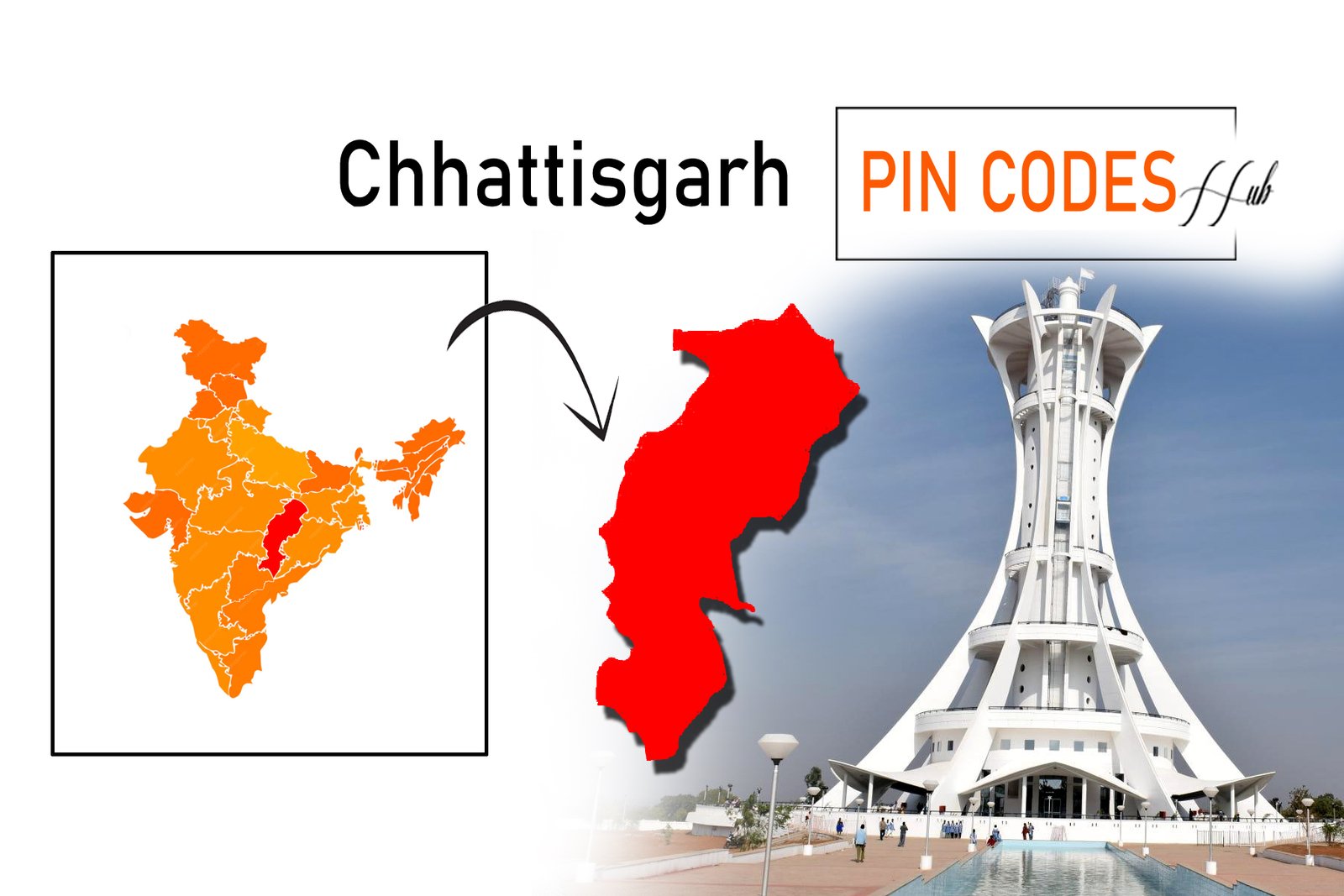
Pincodes Chhattisgarh, located in central India, is a state known for its rich mineral resources, dense forests, tribal culture, and vibrant traditions. Often called the “Rice Bowl of India,” Chhattisgarh has a mix of urban centers, semi-urban towns, and rural villages, which are connected through an organized postal network. Despite its varied terrain, including forested regions, rivers, and plateaus, the state has a well-functioning postal system that ensures communication and delivery services reach every corner. India Post manages this network, operating post offices across district headquarters, towns, and remote villages. Each post office is assigned a unique six-digit Postal Index Number, commonly known as a Pincode, to streamline mail delivery and maintain accuracy.
The Pincodes system in Chhattisgarh plays a vital role in organizing the postal operations of the state. Most Pincodes in Chhattisgarh start with the number 4, which corresponds to the central and eastern postal zone of India. The following digits in the Pincodes indicate the district, sorting office, and specific post office responsible for delivering the mail. This structure is particularly important in Chhattisgarh, where many towns and villages may have similar names, and forested areas or rivers can make navigation challenging. Using numeric codes minimizes confusion and ensures letters, parcels, and important documents reach their correct destinations efficiently.
Chhattisgarh Districts & Pincodes:
| District | Example Pincodes |
|---|---|
| Raipur | 492001, 492002, 492013 |
| Durg | 491001, 491005, 491110 |
| Bilaspur | 495001, 495004, 495113 |
| Rajnandgaon | 491441, 491445, 491660 |
| Korba | 495677, 495678, 495684 |
| Raigarh | 496001, 496002, 496110 |
| Bastar | 494001, 494002, 494110 |
| Kanker | 494334, 494335, 494336 |
| Dantewada | 494449, 494450, 494455 |
| Jagdalpur | 494001, 494002, 494003 |
| Balod | 491226, 491227, 491228 |
| Balrampur | 497119, 497120, 497121 |
| Jashpur | 496331, 496332, 496333 |
| Surguja | 497111, 497112, 497113 |
| Mahasamund | 493445, 493446, 493447 |
| Janjgir-Champa | 495669, 495670, 495671 |
| Kawardha | 491995, 491996, 491997 |
| Gariaband | 493889, 493890, 493891 |
| Mungeli | 495334, 495335, 495336 |
| Kabirdham (Kawardha) | 491995, 491996, 491997 |
| Dantewada | 494449, 494450, 494455 |
| Koriya (Korea) | 497440, 497441, 497442 |
| Kondagaon | 494228, 494229, 494230 |
| Surajpur | 497121, 497122, 497123 |
| Baloda Bazar | 493332, 493333, 493334 |
| Gaurela-Pendra-Marwahi | 495449, 495450, 495451 |
| Sakti | 495687, 495688, 495689 |
| Sarangarh-Bilaigarh | 496445, 496446, 496447 |
| Bijapur | 494440, 494441, 494442 |
| Narayanpur | 494338, 494339, 494340 |
| Bastar (Jagdalpur) | 494001, 494002, 494003 |
| Dhamtari | 493773, 493774, 493775 |
| Balodabazar | 493332, 493333, 493334 |
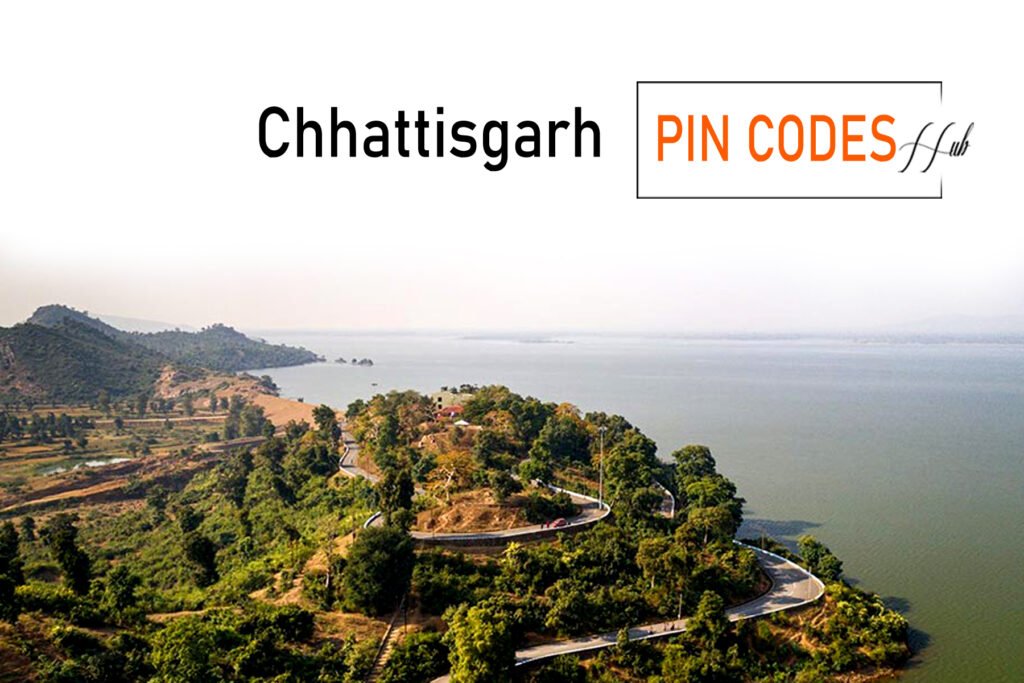
Pincodes Chhattisgarh consists of multiple districts, each with numerous post offices serving towns, villages, and smaller settlements. District-wise Pincodes help postal authorities manage mail distribution effectively. Some of the major districts include Raipur, Durg, Bilaspur, Rajnandgaon, Korba, Raigarh, Bastar, Kanker, Dantewada, Jagdalpur, Balod, Balrampur, Jashpur, Surguja, Mahasamund, Janjgir-Champa, Kawardha, and many others. Each district has a hierarchy of post offices: main post offices in district headquarters and larger towns, branch post offices in smaller towns, and sub-post offices in villages. Every office has a distinct Pincode that identifies its service area.
Pincodes The mail delivery process in Chhattisgarh heavily relies on these Pincodes. When letters or parcels arrive at a regional sorting facility, the first few digits of the Pincodes guide them to the correct district or regional center, while the remaining digits specify the exact post office for delivery. This systematic approach allows India Post to handle a large volume of mail efficiently, ensuring timely delivery even in areas that are difficult to reach due to dense forests, rivers, or seasonal flooding.
Pincodes are not only essential for traditional postal services but are also widely used in modern life. Residents use Pincodes when making online purchases, submitting government forms, or registering for banking and financial services. E-commerce companies, courier services, and logistics providers rely on Pincodes to plan delivery routes, estimate delivery times, and confirm the serviceability of specific locations. In Chhattisgarh, where transport infrastructure can vary significantly between districts, accurate Pincode information ensures packages and documents reach the intended recipients on schedule.
The district-wise Pincode organization also assists government authorities in administrative planning and regional management. Pincodes allow officials to map regions for surveys, development projects, resource allocation, and public service delivery. Each Pincode corresponds to a defined geographic area, making it easier to track demographic data, monitor government programs, and implement welfare schemes efficiently. This structured approach strengthens governance and ensures that even remote tribal villages remain connected to essential services.
In addition to mail services, Pincodes in Chhattisgarh serve as important centers for banking, financial transactions, and government communications. They facilitate money transfers, distribute official notices, and act as a link between urban centers and rural communities. Pincodes ensure these services are routed accurately, preventing delays and miscommunication. In tribal and forested areas, this system is particularly valuable in connecting residents with administrative services, educational notifications, and emergency communication.
Overall, the Pincode system in Chhattisgarh is a critical component of the state’s communication and delivery infrastructure. By assigning a unique numeric code to each post office, the postal network can manage mail sorting, logistics, and deliveries across diverse landscapes efficiently. This organized system supports traditional mail, modern commerce, online services, and administrative operations, ensuring that Chhattisgarh remains well-connected internally and with the rest of India. The district-wise Pincode system continues to facilitate trade, communication, and governance, helping the state overcome geographic challenges and maintain seamless connectivity across all its regions.
Chhattisgarh state of Pincodes:
Pincodes Chhattisgarh is a state in central India that is known for its natural surroundings, traditional lifestyle, and growing development. It was formed on 1st November 2000 after being separated from Madhya Pradesh. The creation of the state made it easier to focus on local development, especially in tribal and rural areas. Over the years, Chhattisgarh has made steady progress while still holding on to its cultural roots and simple way of life.
One of the most important features of Chhattisgarh is its agriculture. The state is widely known for producing rice, which is why it is often called the “Rice Bowl of India.” A large number of people depend on farming for their daily income. The land in many parts of the state is fertile, and rivers like the Mahanadi help in irrigation. Apart from rice, farmers also grow crops like maize, pulses, and oilseeds. Agriculture here is not just an occupation but a way of life for many families.
Chhattisgarh is also rich in forests. A big part of the state is covered with greenery, which supports both nature and people. Forests provide wood, bamboo, and other useful products. Many tribal communities depend on forests for food and livelihood. They collect forest produce like fruits, leaves, and medicinal plants. The connection between people and nature is very strong in this region, and it can be seen in their daily life and traditions.
The state is also known for its mineral wealth. Chhattisgarh has large deposits of coal, iron ore, and other minerals. Because of this, many industries have developed here. Cities like Raipur, Bhilai, and Korba are important industrial centers. The Bhilai Steel Plant is one of the biggest steel plants in India and provides employment to many people. These industries play a major role in the state’s economy and also support the country’s growth.
Culture in Chhattisgarh is simple yet rich. The state has a large tribal population, and each group has its own customs and traditions. People celebrate festivals with joy and togetherness. Folk dances and songs are an important part of celebrations. Dances like Panthi and Karma are performed during special occasions and reflect the traditions of the people. The lifestyle here is closely connected to nature, and people respect their land and environment.
Chhattisgarh is also a place of natural beauty. It has many waterfalls, forests, and peaceful locations. One of the most famous waterfalls is Chitrakote, which is often compared to a mini Niagara Falls because of its wide flow. There are also national parks and wildlife sanctuaries where different animals and birds can be seen. These places attract visitors who enjoy nature and quiet surroundings.
In terms of development, the state government has been working to improve basic facilities. Roads, schools, hospitals, and electricity are being expanded to reach more people, especially in rural areas. Earlier, many villages had limited access to these services, but the situation is gradually improving. Education is becoming more accessible, and more children are going to school than before. Healthcare services are also growing, helping people get better treatment closer to their homes.
Transportation and communication have also improved in recent years. Better roads and railway connections are helping people travel and transport goods more easily. Digital services are also reaching more areas, which helps people stay connected and access online facilities. These improvements are slowly changing the lifestyle of people and opening new opportunities.
However, Chhattisgarh still faces some challenges. Some remote areas are difficult to reach, and development is slower in those regions. Tribal communities sometimes lack access to proper education and healthcare. But efforts are being made to solve these problems through government schemes and local support.
Overall, Chhattisgarh is a state that shows a balance between tradition and progress. It has strong cultural values, natural resources, and hardworking people. While it continues to develop and grow, it also keeps its identity alive. The peaceful environment, rich culture, and steady progress make Chhattisgarh an important and unique part of India.
Conclusion:
Chhattisgarh is a state that reflects both simplicity and strength through its people, culture, and natural surroundings. It is a place where traditions are still valued and followed, while at the same time, efforts are being made to improve living conditions and bring development to every corner. The state’s journey since its formation shows steady progress in areas like agriculture, industry, education, and infrastructure. Even though some remote regions still face challenges, continuous work is being done to improve connectivity, healthcare, and basic facilities for all sections of society.
One of the most remarkable aspects of Chhattisgarh is how closely its people are connected to nature. Forests, rivers, and land are not just resources but a part of everyday life. This connection gives the state a unique identity that sets it apart from many others. At the same time, its mineral wealth and industrial growth are helping it move forward economically, creating opportunities for employment and development.
The cultural richness of Chhattisgarh also plays a big role in shaping its identity. Festivals, folk dances, and traditional practices bring communities together and keep the spirit of the state alive. This balance between culture and progress is what makes Chhattisgarh special.
Looking ahead, the future of Chhattisgarh appears promising. With ongoing development projects, better education, and growing awareness among people, the state is slowly overcoming its challenges. It is moving toward a path where both rural and urban areas can grow together. Overall, Chhattisgarh is not just developing in terms of infrastructure and economy, but also strengthening its social and cultural foundation, making it an important and evolving part of India.