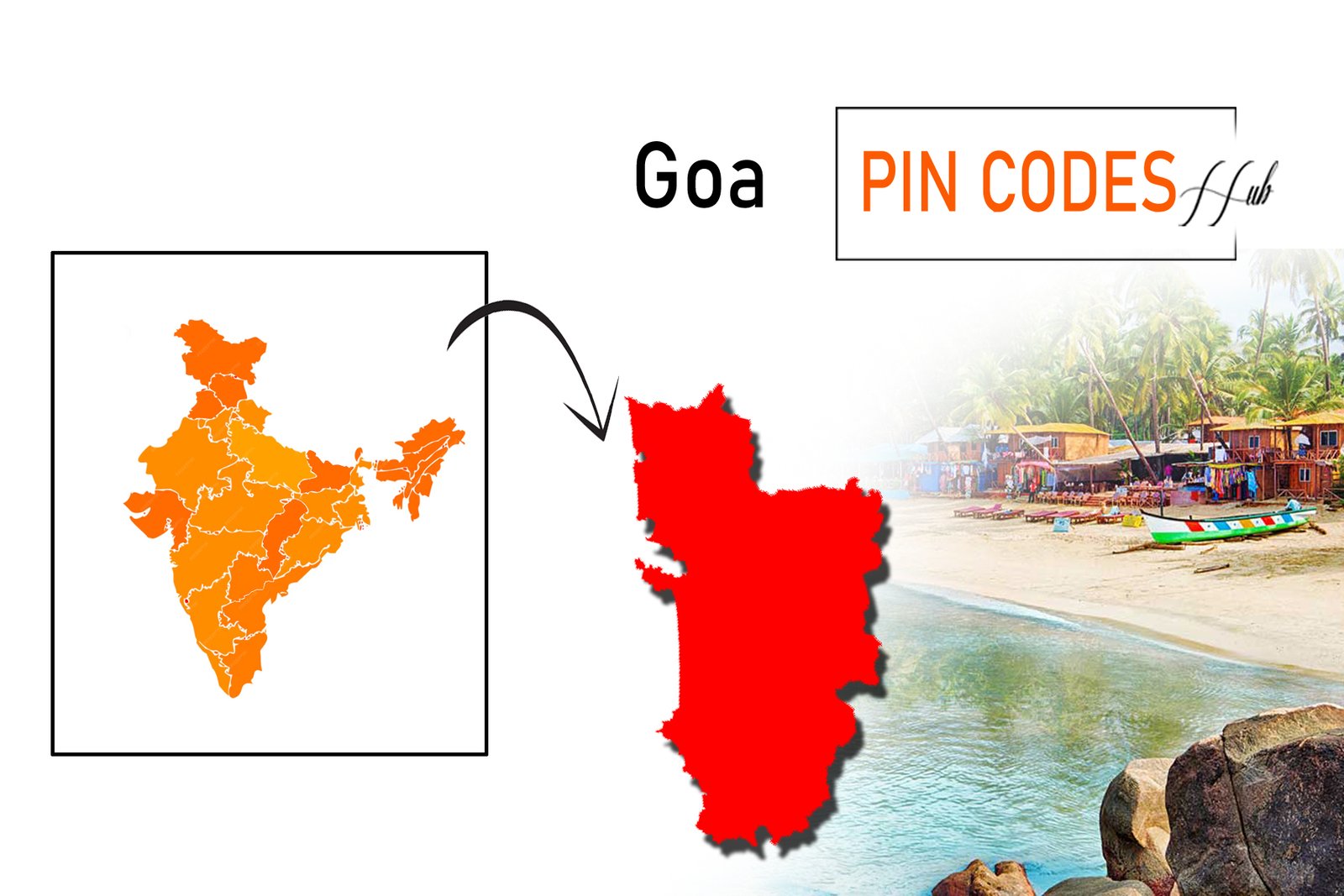
Complete Goa Pincodes Guide:
Pincodes Goa, the smallest state of India by area, is known not only for its beaches and tourism but also for its well-structured postal system. Despite its compact size, the state has an efficient network of post offices that ensures smooth communication and delivery services across urban towns, coastal villages, and inland regions. The Pincodes system in Goa plays a key role in organizing this network and making sure that every letter and parcel reaches the correct destination without del
A PIN code, which stands for Postal Index Number, is a six-digit number used by India Post to identify specific geographic regions. In Goa, all Pincodes begin with the digit “4,” which represents the western postal zone of India. More specifically, Goa falls under the sub-region “403,” which is commonly seen in almost all Pincodes across the state. This uniformity makes it easier to recognize mail belonging to Goa at a glance.
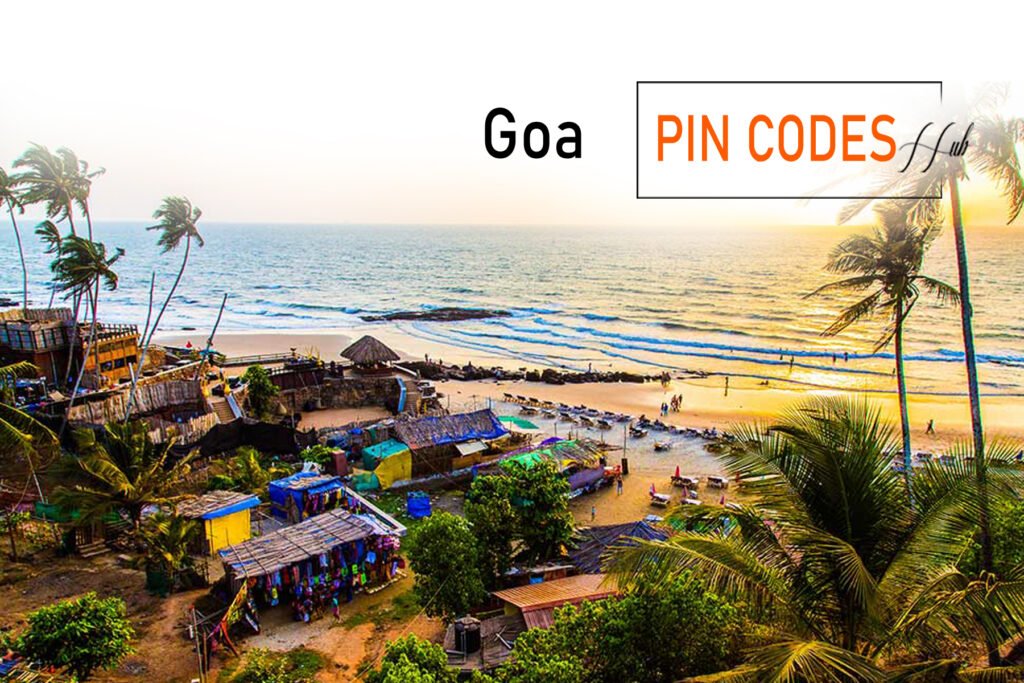
North Goa Pincodes:
Panaji – 403001
Mapusa – 403507
Porvorim – 403501
Calangute – 403516
Candolim – 403515
Anjuna – 403509
Bicholim – 403504
Ponda – 403401
Pernem – 403512
Siolim – 403517
Aldona – 403508
Tivim – 403526
Valpoi – 403506
Mandrem – 403527
Arambol – 403524
South Goa pincodes:
Margao – 403601
Vasco da Gama – 403802
Ponda – 403401
Curchorem – 403706
Quepem – 403705
Canacona – 403702
Colva – 403708
Benaulim – 403716
Varca – 403721
Cuncolim – 403703
Sanguem – 403704
Dabolim – 403801
Verna – 403722
Navelim – 403707
Fatorda – 403602
Pincodes The structure of a PIN code is simple but meaningful. The first digit indicates the region, the second digit represents the sub-region, and the third digit identifies the sorting district. The last three digits refer to the individual post office. For example, in a Pincodes like 403001, “403” tells us that the location is in Goa, while “001” points to the specific post office, often in a major city like Panaji.
Goa is divided into two main districts: North Goa and South Goa. Each district has its own set of PIN codes, covering various towns, villages, and localities. North Goa includes areas such as Panaji, Mapusa, Bicholim, and Pernem. These places have Pincodes like 403001 (Panaji), 403507 (Mapusa), and others assigned based on their post offices. Being more urbanized and densely populated, North Goa has a larger number of post offices compared to the southern district.
South Goa, on the other hand, includes regions like Margao, Vasco da Gama, Ponda, and Canacona. These areas also have distinct PIN codes such as 403601 (Margao) and 403802 (Vasco da Gama). Though slightly less urban than the northern part, South Goa still maintains a strong postal network that connects even remote villages to the rest of the country.
One of the interesting aspects of Goa’s Pincodes system is how it reflects the state’s geography and settlement pattern. Coastal areas, which are popular tourist destinations, often have well-established post offices due to higher demand for communication and logistics services. Inland areas, including smaller villages and hilly regions, are also covered, ensuring that no part of the state is left out.
The role of Pincodes becomes especially important in a state like Goa, where tourism plays a major role in the economy. Hotels, resorts, travel agencies, and businesses rely heavily on accurate postal services for receiving bookings, documents, and supplies. A small mistake in the PIN code can lead to delays or misdelivery, which is why people are always encouraged to use the correct code when sending mail.
Another important use of Pincodes in Goa is in online shopping and courier services. With the rise of e-commerce, more and more people in Goa are ordering products from different parts of India. Courier companies depend on Pincodes to determine service availability, delivery timelines, and shipping charges. In some remote areas, delivery might take longer, but thanks to the PIN code system, companies can still reach those locations efficiently.
Education and government services also benefit from the organized PIN code system. Schools, colleges, and government offices use Pincodes in their official addresses, making it easier to process applications, send notices, and maintain records. Whether it is a student receiving exam results or a citizen getting official documents, the Pincodes ensures that everything reaches the right place.
In addition, emergency and essential services also rely on accurate location identification, where PIN codes can be helpful. Though not used as the only method for locating places, they still provide a general idea of the area, especially in administrative and logistical operations.
Goa’s small size actually works in its favor when it comes to postal efficiency. Compared to larger states, managing the postal network here is less complex, allowing for quicker sorting and delivery of mail. The presence of well-connected roads and modern infrastructure further supports the smooth functioning of postal and courier services.
Over time, the importance of Pincodes has gone beyond traditional mail delivery. Today, they are used in banking, identity verification, online forms, and digital services. In Goa, just like in the rest of India, entering the correct PIN code is often a mandatory step in many processes, whether it is opening a bank account, registering for a service, or placing an online order.
In conclusion, the Pincodes system in Goa may seem like a simple set of numbers, but it plays a vital role in the daily functioning of communication and logistics. It connects cities, towns, and villages, supports businesses and tourism, and ensures that services reach every corner of the state. Even in a place as small and well-connected as Goa, the importance of PIN codes cannot be overlooked. They are a silent but essential part of the system that keeps everything running smoothly, making life more organized and efficient for the people of Goa.
Goa State pincodes:
Pincodes Goa is one of the smallest yet most vibrant states in India. Located on the western coast along the Arabian Sea, it is widely known for its beautiful beaches, relaxed lifestyle, and rich cultural mix. Even though it is small in size, Goa has a unique identity that makes it stand out from other states.
The history of Goa plays an important role in shaping its culture. For many centuries, it was under Portuguese rule, which has left a strong influence on its architecture, food habits, and traditions. You can still see old churches, colorful houses, and narrow streets that reflect this past. After India gained independence, Goa continued under Portuguese control until 1961, when it finally became a part of India.
Geography and Climate
Goa is blessed with natural beauty. It has a long coastline filled with sandy beaches, coconut trees, and scenic views of the sea. The state is divided into two main districts: North Goa and South Goa. North Goa is more crowded and lively, while South Goa is quieter and peaceful.
The climate in Goa is generally warm and humid throughout the year. Summers can be hot, but the coastal breeze makes it manageable. The monsoon season brings heavy rainfall, turning the entire region green and fresh. Winters are pleasant and considered the best time to visit.
Culture and Lifestyle
Goa is known for its relaxed and easy-going lifestyle. People here believe in enjoying life, which is clearly seen in their daily routine. Unlike busy metropolitan cities, life in Goa moves at a slower and more peaceful pace.
The culture of Goa is a mix of Indian and Portuguese traditions. Festivals are celebrated with great enthusiasm. Events like Carnival, Christmas, Diwali, and New Year bring people together in celebration. Music and dance are also an important part of Goan culture, and you can often find live performances in many places.
Another interesting aspect is the diversity of people. Goa attracts visitors from all over India and even from other countries. Many people come here for tourism, work, or even to settle down, which makes the state culturally rich and welcoming.
Food and Cuisine
Food in Goa is simple yet full of flavor. The cuisine mainly includes rice, fish, coconut, and spices. Seafood is very popular because of the coastal location. Dishes are often cooked with a balance of spices and coconut-based gravies.
Goa is also known for its sweets and bakery items, which show Portuguese influence. Bread, cakes, and desserts are widely available and enjoyed by locals as well as visitors.
Tourism and Economy
Tourism is the backbone of Goa’s economy. Every year, thousands of tourists visit the state to enjoy its beaches, nightlife, and natural beauty. Popular beaches like Baga, Calangute, and Colva are always full of activity, while some less crowded beaches offer peace and relaxation.
Apart from beaches, Goa also has wildlife sanctuaries, waterfalls, and historic sites. Old churches and forts attract visitors who are interested in history and architecture. The famous churches in Old Goa are known for their beauty and significance.
The state also benefits from fishing, mining (though limited now), and small-scale industries. However, tourism remains the main source of income for most people.
Education and Development
Goa has a good literacy rate compared to many other states. Education is given importance, and there are several schools and colleges providing quality education. The state is also well-connected with roads, railways, and an airport, making travel easy.
In recent years, Goa has seen development in infrastructure, healthcare, and digital services. Despite modernization, it has managed to maintain its natural beauty and cultural identity.
Nature and Environment
One of the best things about Goa is its connection with nature. The state has not only beaches but also forests, rivers, and hills. The Western Ghats pass through Goa, adding to its greenery and biodiversity.
Many efforts are being made to protect the environment, as tourism sometimes puts pressure on natural resources. Awareness about cleanliness and sustainability is growing among both locals and visitors.
Daily Life in Goa
Daily life in Goa is quite different from fast-paced cities. People here focus on balance—work, family, and leisure all have their place. Mornings often start calmly, and evenings are usually spent relaxing, either at home or near the beach.
Local markets, small shops, and roadside stalls are common, giving a simple and traditional feel to everyday life. Even in busy areas, there is a sense of calmness that makes Goa special.
Goa may be small in size, but it offers a rich experience in terms of culture, nature, and lifestyle. It is a place where tradition meets modern living, and where people know how to enjoy life without unnecessary stress.
The state’s beauty lies not only in its beaches but also in its people, culture, and peaceful environment. Whether someone visits for a short trip or stays for a longer time, Goa leaves a lasting impression.
In the end, Goa is not just a tourist destination—it is a feeling of freedom, simplicity, and joy that stays with you even after you leave.