
Introduction:
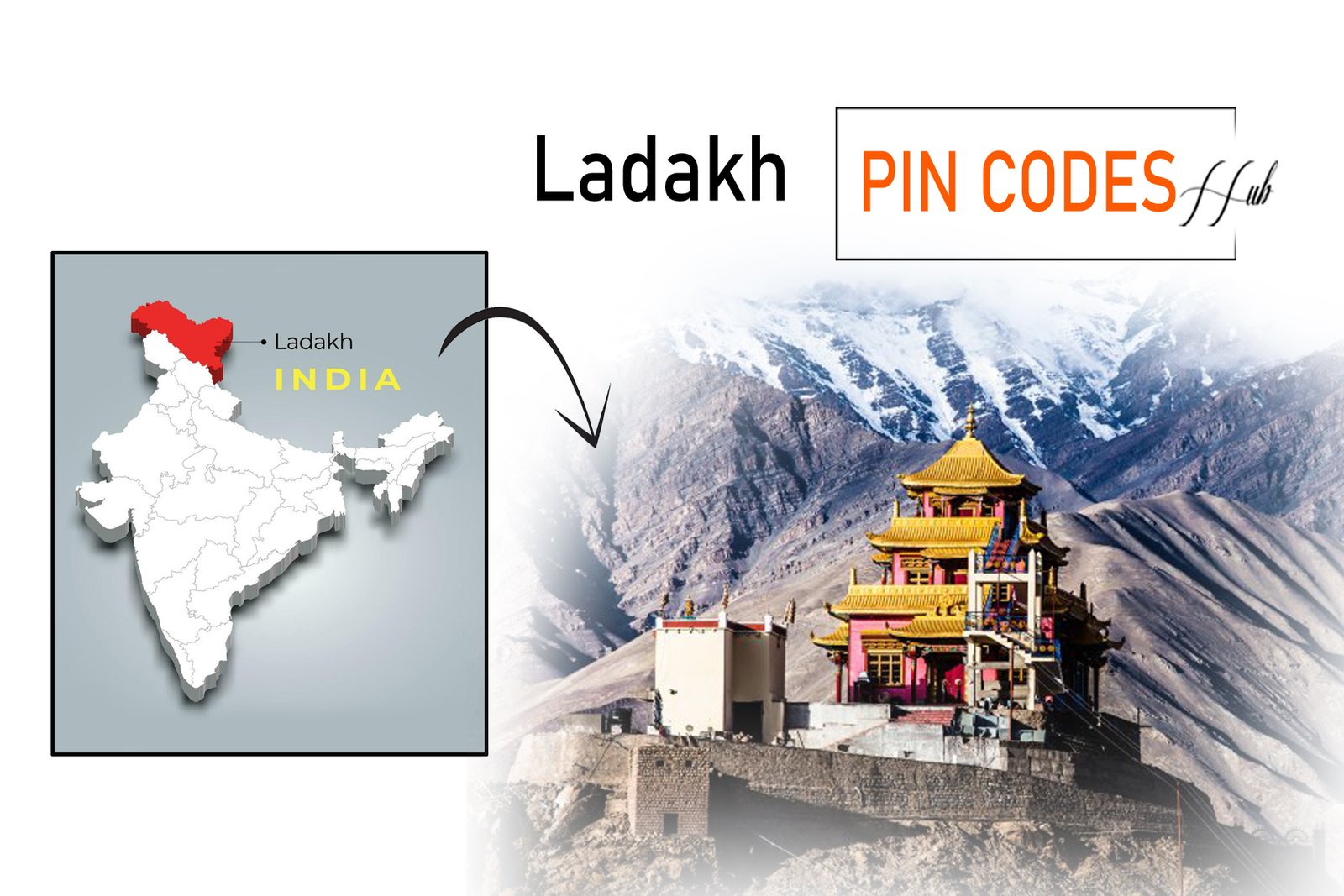
Ladakh is one of India’s most extraordinary regions, famous for its dramatic mountain landscapes, high-altitude deserts, crystal-clear lakes, ancient monasteries, and remote Himalayan villages. Situated in the northernmost part of India, Ladakh covers a vast geographical area despite having a relatively small population. The region is known for its unique culture, challenging terrain, and strategic importance along India’s northern borders.
While tourists often recognize Ladakh for attractions such as Pangong Lake, Nubra Valley, Leh Palace, and Zanskar Valley, another important aspect of daily life often goes unnoticed—the postal network that connects remote communities with the rest of the country.
In a region where villages may be separated by mountain passes, valleys, and long travel distances, postal services play a crucial role in communication, commerce, banking, governance, and online shopping. Whether residents are receiving government documents, educational materials, banking correspondence, medicines, or e-commerce deliveries, accurate PIN codes ensure smooth and efficient delivery.
The Postal Index Number (PIN) system helps India Post manage mail distribution across thousands of locations, including some of the most remote settlements in the Himalayas. For Ladakh, where weather conditions and geography can present logistical challenges, PIN codes are essential for maintaining reliable communication and delivery services.
This comprehensive guide covers Ladakh PIN codes, major postal regions, important post offices, delivery services, postal challenges, and useful information for residents, travelers, businesses, and online shoppers.
What is a PIN Code?
PIN Code stands for Postal Index Number. It is a six-digit numerical code introduced by India Post on 15 August 1972 to simplify mail sorting and delivery across India.
Before the introduction of PIN codes, letters were often delayed due to similar place names, incomplete addresses, and manual sorting errors. The PIN system created a standardized way to identify delivery locations throughout the country.
A typical PIN code contains six digits:
Example: 194101
- First Digit: Postal Zone
- Second Digit: Postal Sub-Zone
- Third Digit: Sorting District
- Last Three Digits: Individual Post Office
Understanding Ladakh PIN Codes
Most PIN codes in Ladakh begin with 194.
Breakdown:
- 1 = Northern Postal Region
- 9 = Jammu & Kashmir / Ladakh Sub Region
- 4 = Specific Sorting District
- 101 = Individual Post Office (Leh Head Office)
This coding system helps postal departments identify and route mail accurately even to remote mountain settlements.
Importance of PIN Codes in Ladakh
PIN codes are important everywhere in India, but their significance is especially high in Ladakh because of the region’s geographical conditions.
1. Accurate Mail Delivery
Many villages have similar names or are located far from urban centers. PIN codes help identify the correct destination.
2. Faster Sorting
Mail can pass through multiple sorting centers before reaching Ladakh. PIN codes reduce processing errors.
3. Online Shopping Deliveries
E-commerce companies use PIN codes to determine delivery availability and estimated delivery times.
4. Government Services
Government offices rely on accurate postal records for sending official documents and notices.
5. Banking and Financial Services
Banks use PIN codes when delivering ATM cards, passbooks, and important correspondence.
6. Emergency Communication
Medical, legal, and administrative documents often require timely delivery to remote regions.
Overview of Ladakh Postal Administration
Ladakh is a Union Territory consisting primarily of:
- Leh District
- Kargil District
These districts are divided into several postal regions and delivery networks that serve villages, towns, military establishments, educational institutions, and government offices.
The postal system is supervised through Head Post Offices, Sub Post Offices, and Branch Post Offices.
Major postal regions include:
| Region | Main PIN Code | Major Post Office |
|---|---|---|
| Leh | 194101 | Leh Head Post Office |
| Kargil | 194103 | Kargil Head Post Office |
| Drass | 194102 | Drass Post Office |
| Nubra Valley | 194401 | Diskit Post Office |
| Zanskar | 194302 | Padum Post Office |
| Sham Valley | 194106 | Khaltsi Post Office |
| Changthang | 194201 | Nyoma Post Office |
Leh Region PIN Codes
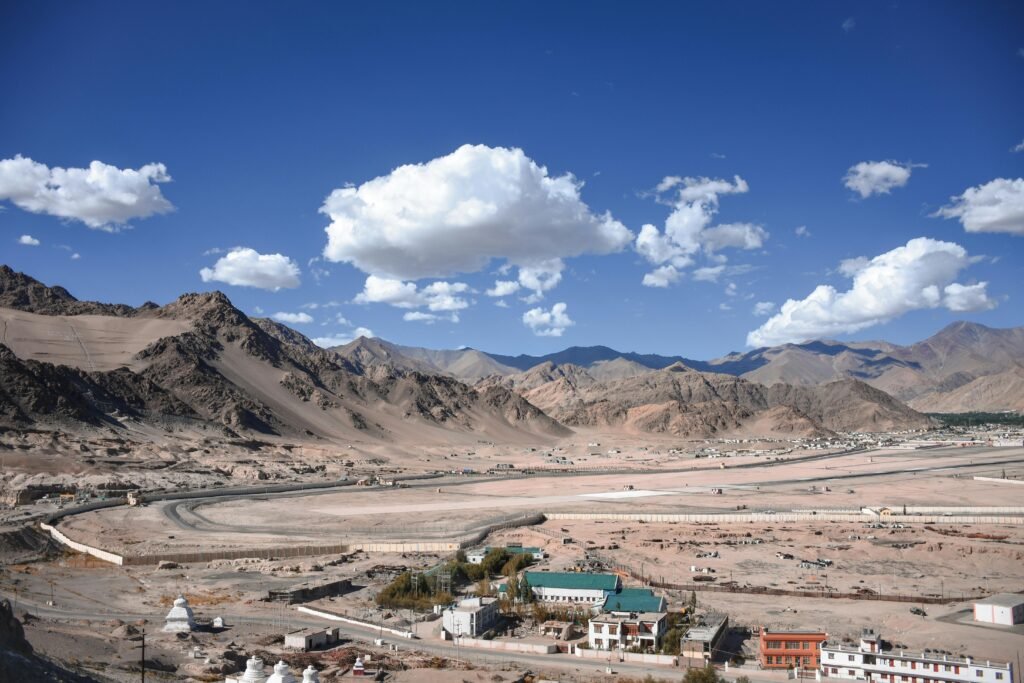
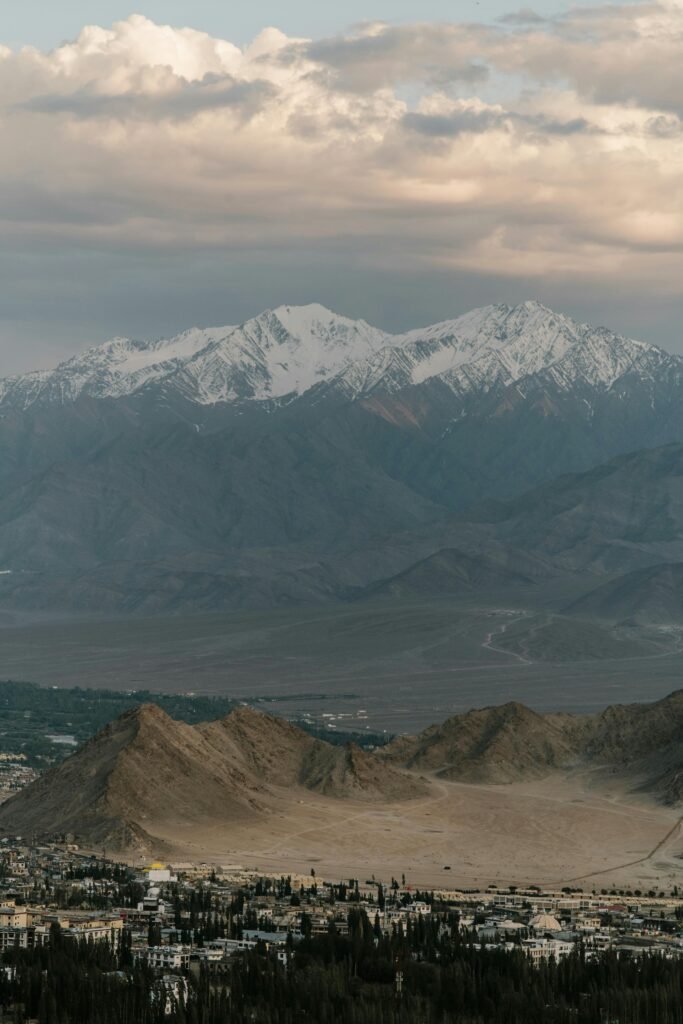
Leh serves as the administrative capital of Ladakh and acts as the region’s largest postal hub.
Most government departments, educational institutions, businesses, hotels, and courier facilities are located in Leh.
Major Areas and PIN Codes
| Area | PIN Code |
|---|---|
| Leh | 194101 |
| Choglamsar | 194104 |
| Spituk | 194101 |
| Shey | 194201 |
| Thiksey | 194201 |
| Stok | 194101 |
Important Landmarks
- Leh Palace
- Shanti Stupa
- Hall of Fame Museum
- Leh Main Market
- Magnetic Hill
- Sindhu Ghat
Most parcels arriving in Ladakh first pass through Leh before being distributed to nearby villages and regions.
Kargil Region PIN Codes
Kargil is the second-largest district of Ladakh and serves as a major commercial and administrative center.
The district plays an important role in connecting remote settlements located in western Ladakh.
Major Areas and PIN Codes
| Area | PIN Code |
|---|---|
| Kargil | 194103 |
| Sankoo | 194301 |
| Mulbekh | 194109 |
| Wakha | 194109 |
Important Landmarks
- Kargil War Memorial
- Suru Valley
- Mulbekh Monastery
- Kargil Market
Kargil Head Post Office manages mail distribution for many surrounding villages and mountainous areas.
Drass Region PIN Codes
Drass is globally known as one of the coldest inhabited places in the world.
Area and PIN Code
| Area | PIN Code |
|---|---|
| Drass | 194102 |
Popular Attractions
- Drass War Memorial
- Tiger Hill View Point
- Mushkoh Valley
The postal network here operates under challenging weather conditions, especially during winter.
Nubra Valley PIN Codes
Nubra Valley is among Ladakh’s most famous tourist destinations.
Located north of Leh beyond Khardung La Pass, the valley is known for sand dunes, monasteries, and unique landscapes.
Major Areas and PIN Codes
| Area | PIN Code |
|---|---|
| Diskit | 194401 |
| Hunder | 194401 |
| Panamik | 194401 |
| Sumur | 194401 |
Major Attractions
- Diskit Monastery
- Hunder Sand Dunes
- Panamik Hot Springs
- Double-Humped Camels
Mail delivery may require additional transit time due to geographical conditions.
Zanskar Region PIN Codes
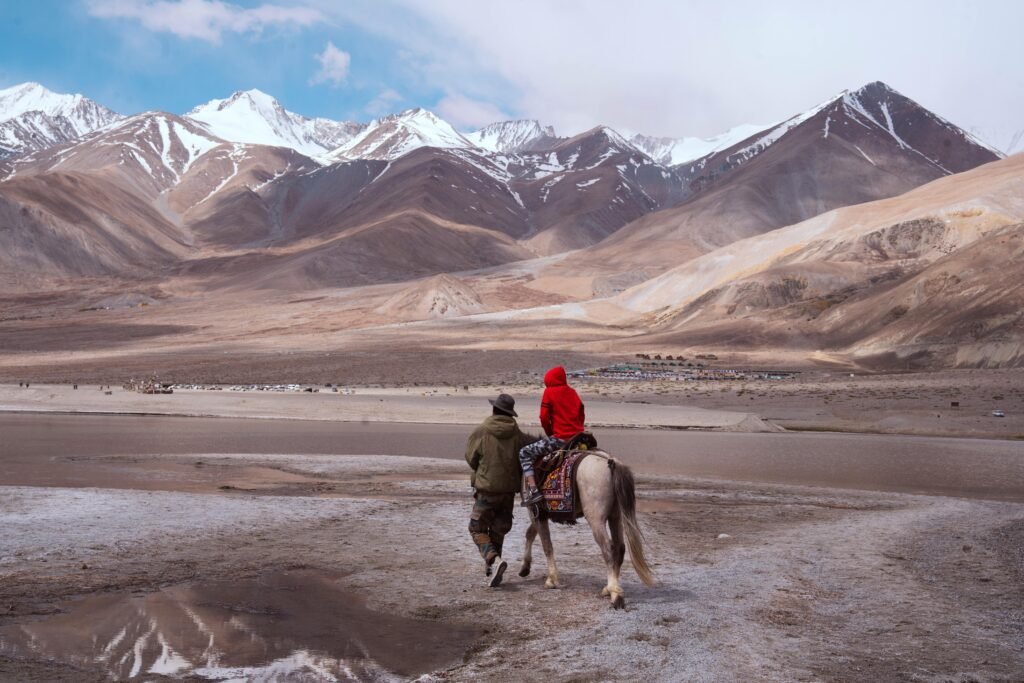
Zanskar is one of the most isolated regions in India.
Road access is often limited during winter because of heavy snowfall.
Major Areas
| Area | PIN Code |
|---|---|
| Padum | 194302 |
Important Places
- Padum Town
- Zanskar Valley
- Karsha Monastery
- Phugtal Monastery
The postal network provides a critical communication link for residents throughout the year.
Sham Valley PIN Codes
Sham Valley is known for cultural heritage, monasteries, and traditional villages.
Major Areas
| Area | PIN Code |
|---|---|
| Khaltsi | 194106 |
| Alchi | 194106 |
| Lamayuru | 194106 |
Popular Attractions
- Alchi Monastery
- Lamayuru Monastery
- Moonland Landscape
- Khaltsi Village
The region supports growing tourism and local businesses through its postal infrastructure.
Changthang Region PIN Codes
Changthang is a vast high-altitude plateau located in eastern Ladakh.
The region is home to nomadic communities and some of India’s most famous lakes.
Major Areas
| Area | PIN Code |
|---|---|
| Nyoma | 194201 |
| Chumathang | 194201 |
| Hanle | 194201 |
Attractions
- Pangong Tso Lake
- Tso Moriri Lake
- Hanle Observatory
- Chumathang Hot Springs
Postal services play an important role in supporting remote settlements across this sparsely populated region.
Major Post Offices in Ladakh
Several post offices act as key distribution centers.
| Post Office | PIN Code | Region |
|---|---|---|
| Leh H.O | 194101 | Leh |
| Kargil H.O | 194103 | Kargil |
| Drass P.O | 194102 | Drass |
| Diskit P.O | 194401 | Nubra Valley |
| Padum P.O | 194302 | Zanskar |
| Khaltsi P.O | 194106 | Sham Valley |
| Nyoma P.O | 194201 | Changthang |
These offices coordinate the sorting and distribution of mail across the Union Territory.
India Post Services Available in Ladakh
Residents of Ladakh can access a wide range of postal services.
Speed Post
Fast and reliable delivery service for documents and parcels.
Registered Post
Provides tracking and proof of delivery.
Parcel Services
Used for transporting packages and commercial shipments.
Money Transfer Services
Facilitates financial transactions in remote locations.
Savings Bank Services
Many post offices operate savings accounts and financial products.
Aadhaar Services
Selected post offices provide Aadhaar enrollment and update services.
Postal Life Insurance
Insurance services available through India Post.
Challenges Faced by Postal Services in Ladakh
Delivering mail in Ladakh is significantly different from urban regions.
High Altitude
Many settlements are located above 3,000 meters, requiring special logistical planning.
Harsh Winters
Heavy snowfall can temporarily block roads and mountain passes.
Long Distances
Villages are often separated by vast stretches of mountainous terrain.
Remote Communities
Some areas have limited transportation infrastructure.
Weather Uncertainty
Strong winds, snowstorms, and landslides can occasionally affect delivery schedules.
Despite these challenges, India Post continues to maintain service across the region.
Online Shopping and Courier Services in Ladakh
The rise of e-commerce has increased the importance of PIN codes throughout Ladakh.
Residents regularly order:
- Mobile phones
- Electronics
- Clothing
- Books
- Household products
- Educational materials
- Health-related products
Courier companies use PIN codes to determine:
- Delivery availability
- Estimated shipping time
- Service coverage
- Logistics routing
Incorrect PIN codes can result in delays, returned shipments, or cancellation of orders.
Postal History of Ladakh
The history of postal communication in Ladakh dates back to traditional trade routes connecting Central Asia, Tibet, Kashmir, and northern India.
Before modern postal services, communication relied on travelers, traders, and local messengers who carried letters across mountain routes.
As transportation infrastructure improved, India Post gradually expanded its network into remote Himalayan regions.
Today, modern postal systems connect villages that once remained isolated for months at a time.
The introduction of PIN codes further improved efficiency and helped streamline mail distribution throughout the region.
Tips for Using Ladakh PIN Codes Correctly
To ensure successful delivery:
- Write the complete address.
- Include village and district names.
- Mention the correct post office.
- Verify the PIN code before dispatch.
- Use local landmark information when necessary.
- Double-check online order details.
Accurate addressing reduces delivery delays and improves courier efficiency.
How to Find the Correct Ladakh PIN Code
If you are unsure of a PIN code:
Step 1
Identify the district.
Step 2
Locate the village or locality.
Step 3
Find the corresponding post office.
Step 4
Verify the official PIN code.
Step 5
Use the complete address while sending mail or placing orders online.
Frequently Asked Questions (FAQs)
Do all Ladakh PIN codes begin with 194?
Most major postal regions in Ladakh use PIN codes beginning with 194.
What is the PIN code of Leh?
Leh’s primary PIN code is 194101.
What is the PIN code of Kargil?
Kargil’s primary PIN code is 194103.
What is the PIN code of Diskit?
Diskit in Nubra Valley uses PIN code 194401.
What is the PIN code of Padum?
Padum in Zanskar uses PIN code 194302.
Can multiple villages share one PIN code?
Yes. Several villages may be served by the same post office and therefore use the same PIN code.
Why is the correct PIN code important?
It improves delivery accuracy and helps postal and courier services route shipments correctly.
Does online shopping work in Ladakh?
Yes. Most major e-commerce companies deliver to many areas of Ladakh based on PIN code availability.
Conclusion
Ladakh’s postal network is far more than a delivery system—it is an essential lifeline that connects remote Himalayan communities with the rest of India. From the bustling markets of Leh and Kargil to the isolated settlements of Zanskar, Nubra Valley, Changthang, Drass, and Sham Valley, PIN codes play a crucial role in ensuring smooth communication and reliable delivery services.
The six-digit PIN code system helps India Post, courier companies, government agencies, banks, educational institutions, and e-commerce platforms accurately identify destinations across Ladakh’s challenging terrain. Despite harsh winters, high-altitude conditions, and long travel distances, the region’s postal infrastructure continues to support residents, businesses, and visitors.
Whether you are sending a letter, receiving an online order, applying for official services, or searching for a local post office, using the correct Ladakh PIN code ensures faster processing, accurate delivery, and better connectivity. As Ladakh continues to develop and embrace digital services, its postal network remains a vital bridge between remote mountain communities and the wider world.